Archive / Theatre
Theatre
Theatre has run through Sue and Andy’s work for decades, but their relationship with it has never been limited to standing on a stage.
They have performed, written, devised, directed and managed productions. They have taken theatre into schools, prisons, museums, community settings and international projects. Sometimes an audience simply watched. At other times the performance was only the beginning, opening a space for discussion, participation or action.
The surviving archive includes production photographs, scripts, workshops, touring shows and fragments of performances from different periods. Together they show theatre moving continually between art, education, therapy and social action.
This is not a complete record of Sue and Andy’s theatre work. It brings together selected productions and projects that show some of the different ways they have used theatre across performance, education, therapy and social action.
Performance and story
Sue on stage
Performance has been an important part of Sue’s work. Her theatre has drawn on history, literature, medicine, science and lived experience. Sometimes she stepped into the lives of women from history. Sometimes she approached familiar stories from an unexpected viewpoint. At other times performance became a way of entering experiences that were much harder to speak about directly.
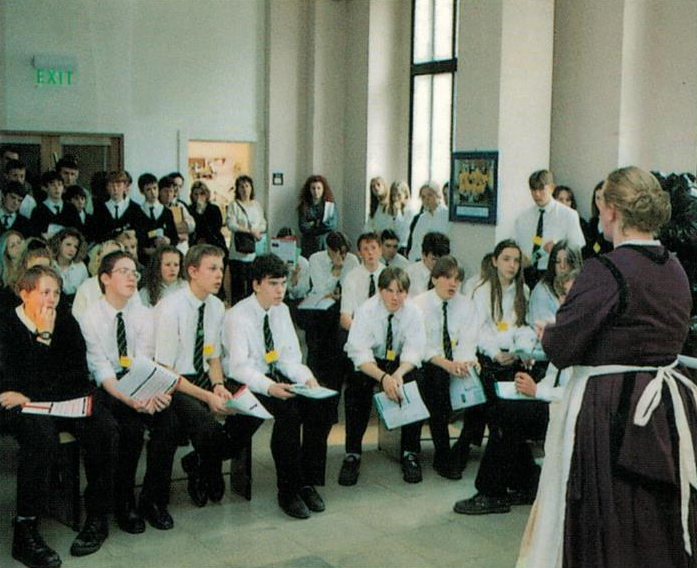
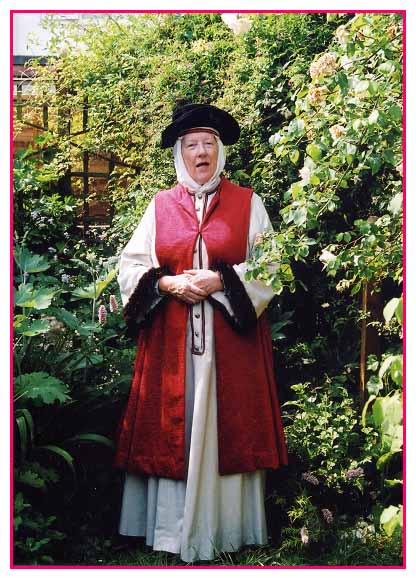
One important strand became known as Theatre Science. Sue developed solo performances that could travel into festivals, museums, galleries, theatres and schools, bringing subjects from science, medicine and social history into theatrical form. Surviving archive material includes performances about Elizabeth Garrett Anderson, Meg the Midwife and Rosalind Franklin.
The Elizabeth Garrett Anderson production explored the life of the pioneering doctor alongside women’s rights, suffrage and Victorian medicine. Andy managed the production, one example of the way Sue and Andy’s theatre work often overlapped even when only one of them appeared on stage.
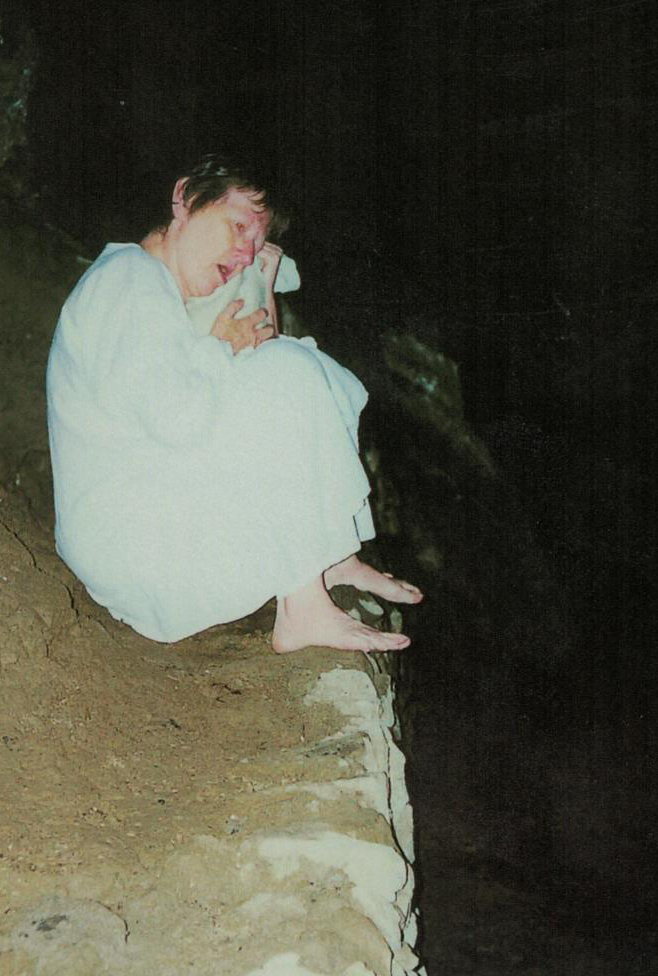
A Spiral of Madness was a one woman performance written by Sue and co devised with Clare. It drew upon women’s case histories involving experiences including abuse, eating disorders and self harm, and was performed in the UK and internationally.
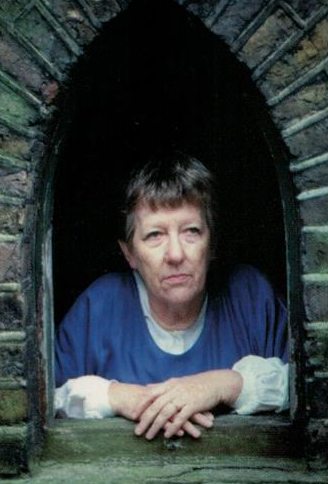
Shakespeare and storytelling also recur throughout Sue’s performance and workshop archive. One production retold Romeo and Juliet from the Nurse’s point of view. The archive records Romeo and Juliet: The Nurse’s Story as opening at the Edinburgh Fringe in 1999. The 2002 photograph above records a later performance.
Theatre here was not separate from learning. A historical figure could become present in the room. Science could become a story. An audience could encounter an idea through a person rather than through a textbook.
Making theatre together
Different roles, shared productions
Sue and Andy have also worked together on productions in different roles. Sometimes Sue performed while Andy managed or directed. Sometimes their theatrical work sat alongside wider educational or social projects.
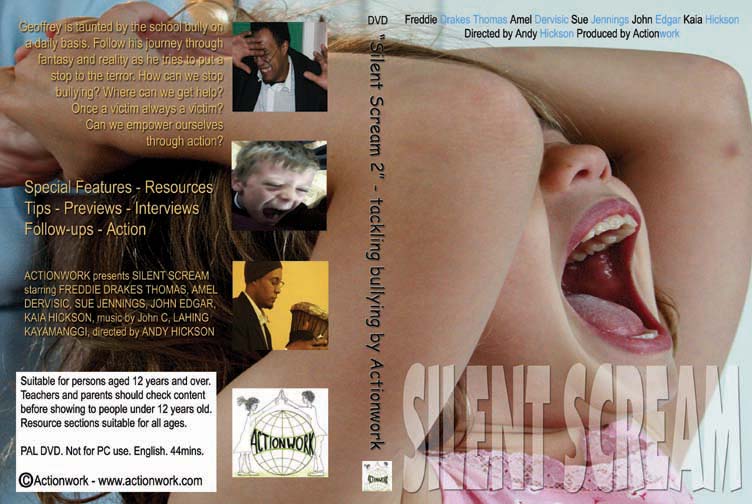
Silent Scream 2 is one example. Andy directed the production, with Sue appearing in the show. The work was later developed into a film.
Their collaboration did not mean that they developed the same theatrical practice. Instead, theatre became one of the places where their different interests repeatedly met.
Writing and directing
Andy making theatre
Andy’s theatre work increasingly connected performance with social questions, education and participation. Some productions played in conventional theatres. Others deliberately moved into settings where theatre was less expected.
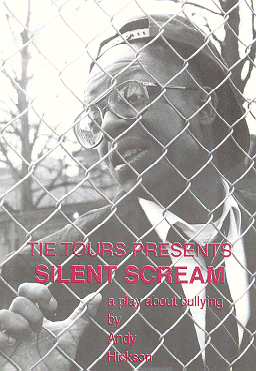
Silent Scream was one of Andy’s earliest major productions as a writer and director. The first tour was in 1997, and the production later toured widely across the UK, Europe, Malaysia and Japan.
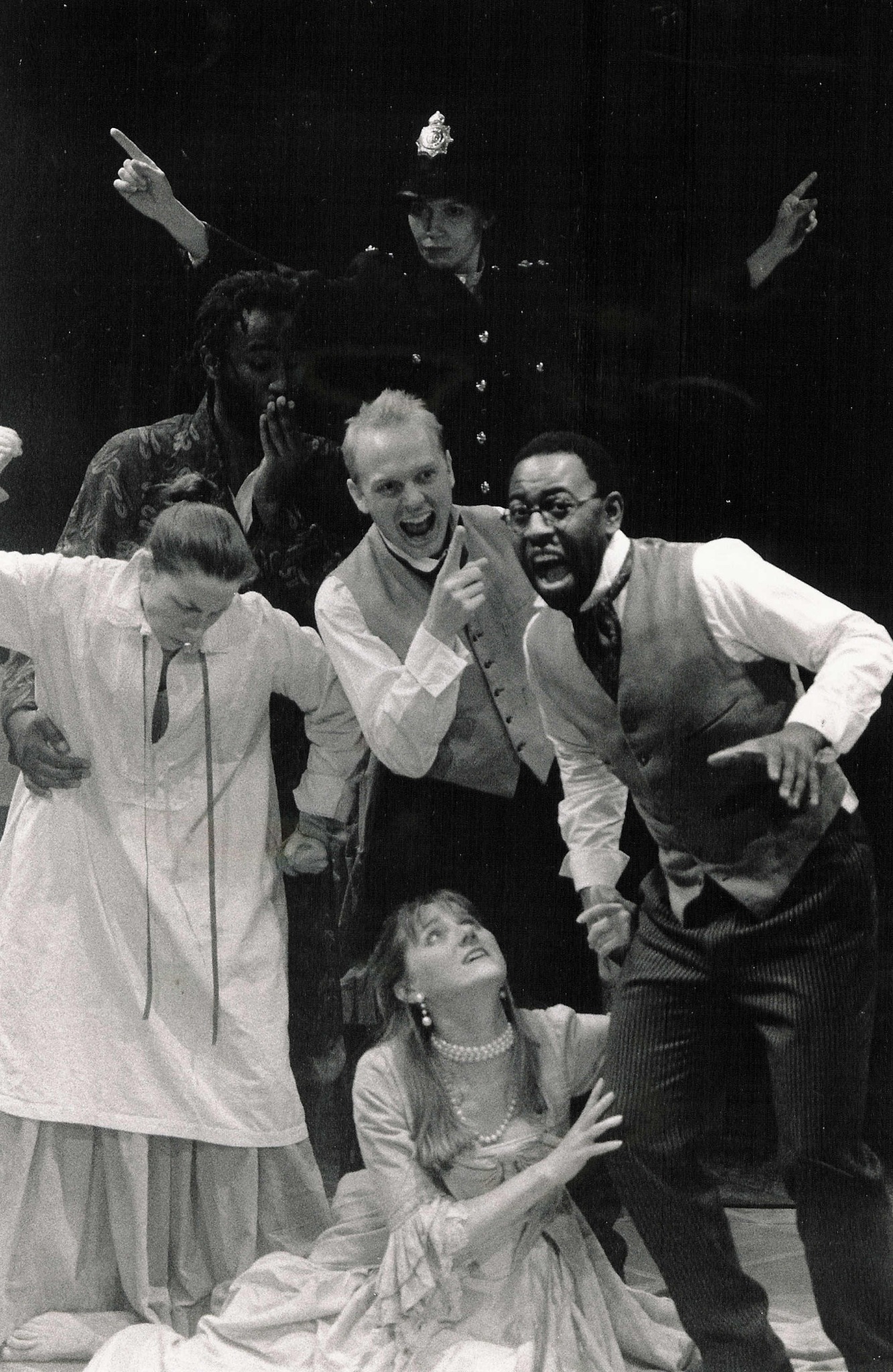
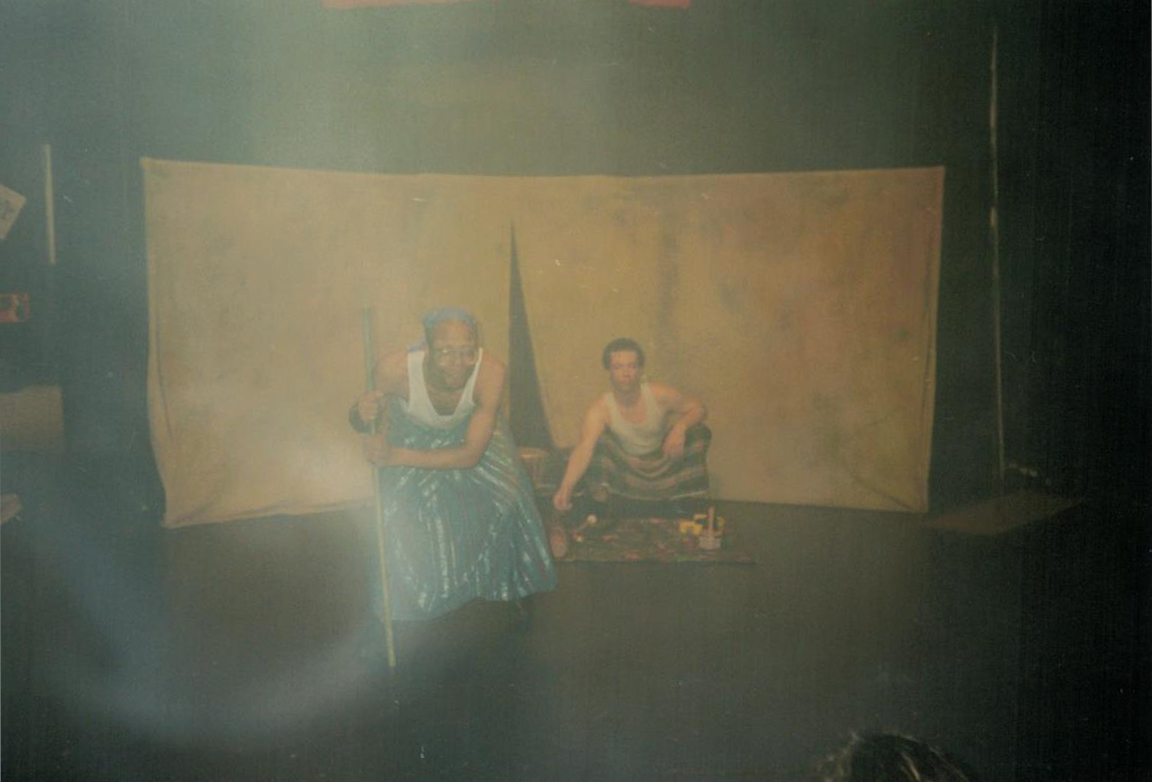
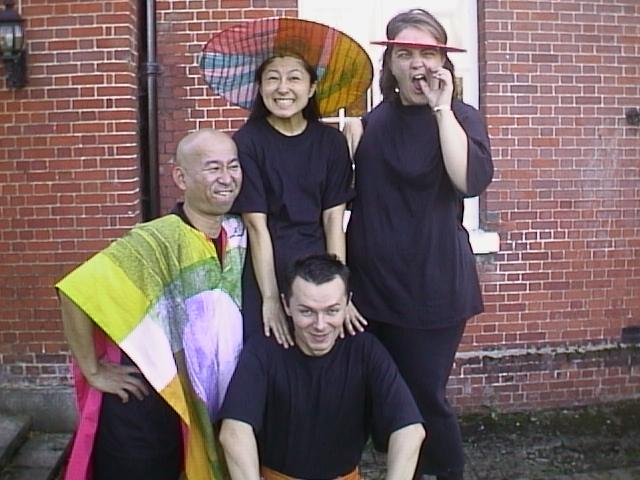
These productions belong to different contexts, but together they show a theatre practice moving between conventional performance spaces and places where theatre was less expected.
From performance to participation
Theatre as social action
Over time, Andy’s theatre became increasingly connected with anti bullying work, Social Theatre and participatory practice.
The performance itself might introduce a situation, reveal a conflict or make something visible. What happened afterwards could be just as important, with audiences invited to discuss, question or explore possible responses.
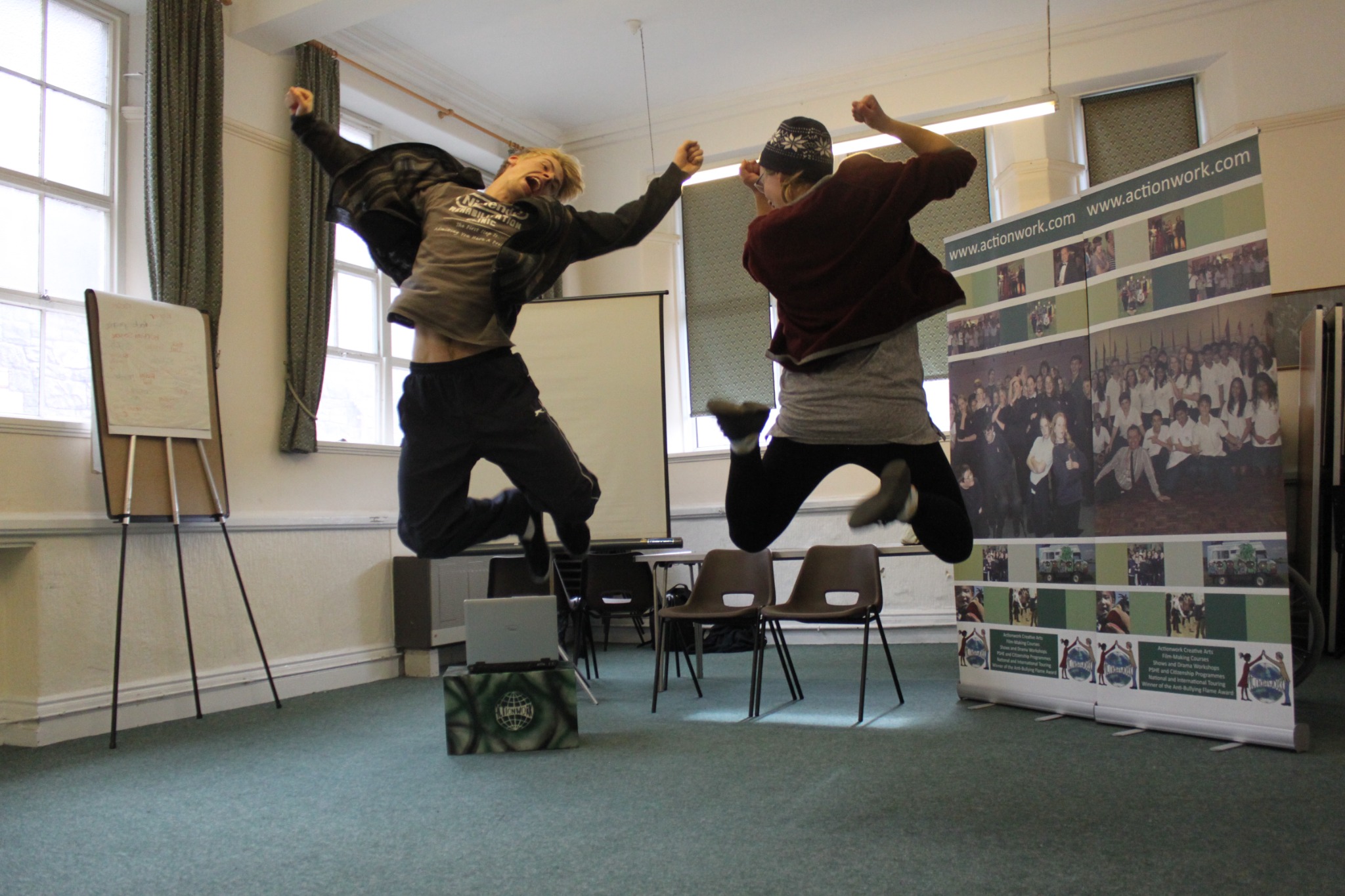
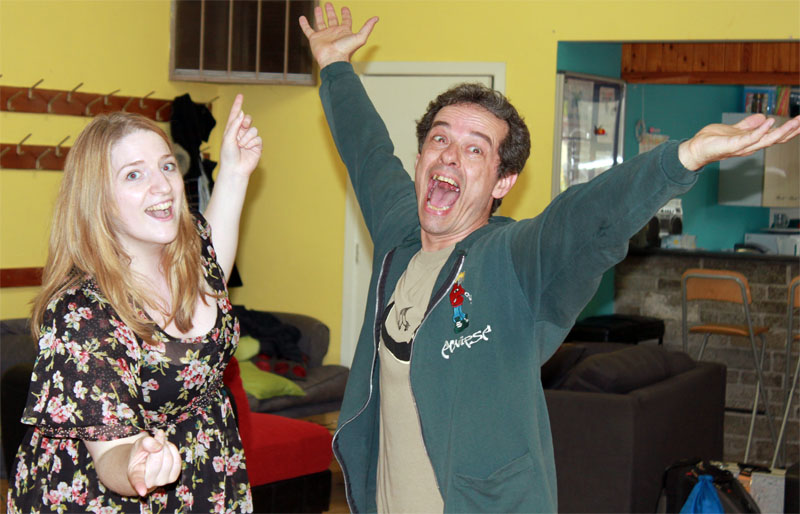
The archive also contains earlier examples of theatre moving into institutional settings. A surviving photograph from 1999 records a backdrop created by prisoners for the devised performance The Traveller.
Across these projects, the boundary between performance, workshop and participation became increasingly fluid. Theatre was not only something to watch. It could become a shared space in which people examined behaviour, relationships, choices and consequences.
Theatre that moves
More than one kind of stage
Looking across the archive, there is no single Sue and Andy theatre style.
There are solo performances, devised productions, historical characters, Shakespeare, prison theatre, school performances, anti bullying roadshows and participatory work. Sometimes Sue or Andy stood on stage. Sometimes they directed other performers. Sometimes their role was to write, manage or create the conditions in which somebody else could perform.
What connects the work is theatre itself as a way of putting ideas into action. It can turn a story into an encounter, a question into a scene, or an audience into participants.