Archive / Origin Story
Origin Story
The website came later. Long before dramatherapy.net there were performances, family workshops, new ideas about participation, and lives shaped by theatre and play.
Before the website
Theatre was part of home
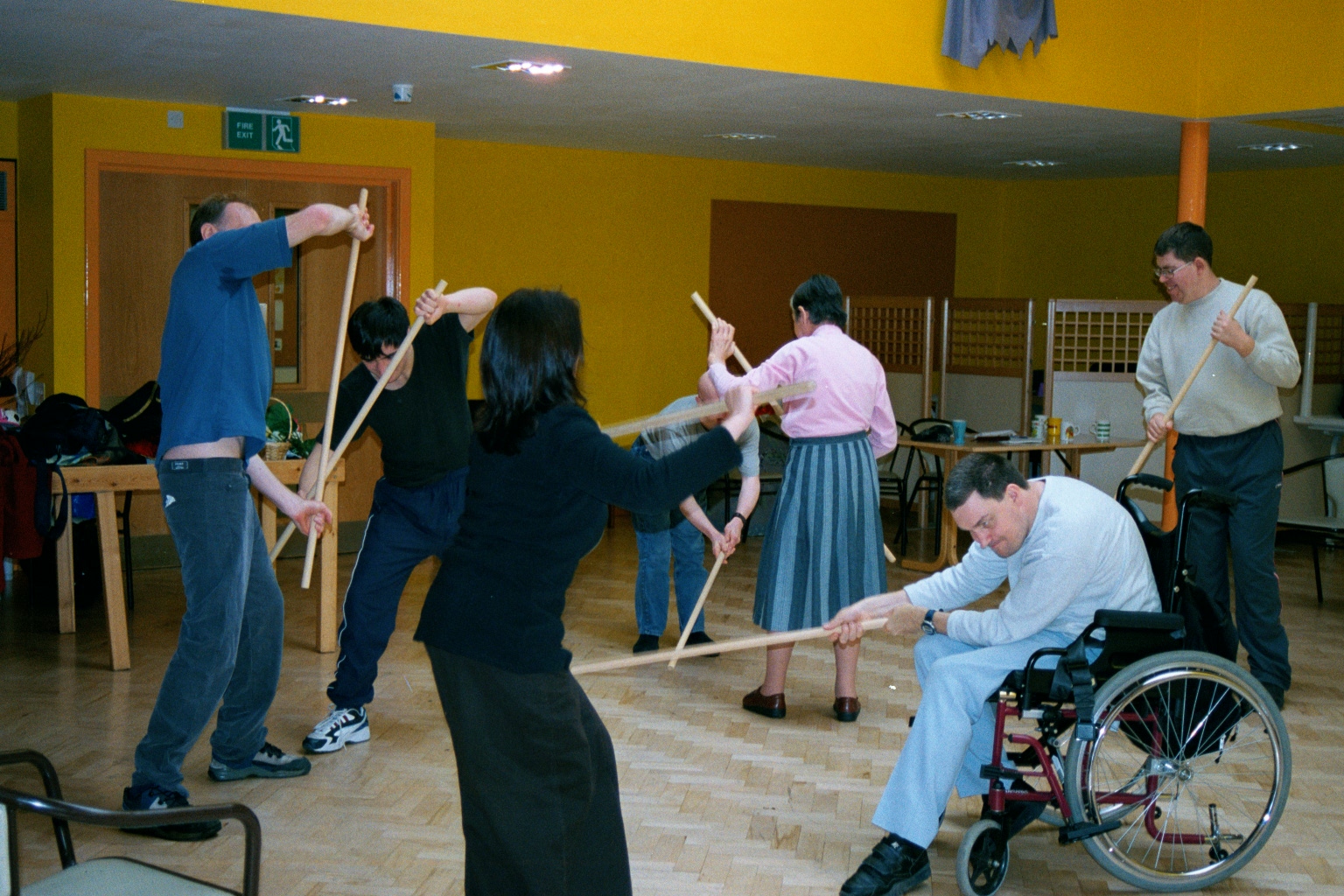
For more than six decades Sue has explored how theatre, drama and creative activity can bring people together. Her early work included the Remedial Drama Group, with people who were often excluded from conventional theatre and learning opportunities.
That work did not stop at the front door. Sue’s children grew up around creative workshops at home, sometimes taking part, sometimes helping, alongside people with learning disabilities and other additional needs. The children were not simply watching adults at work. They were part of the activities themselves.
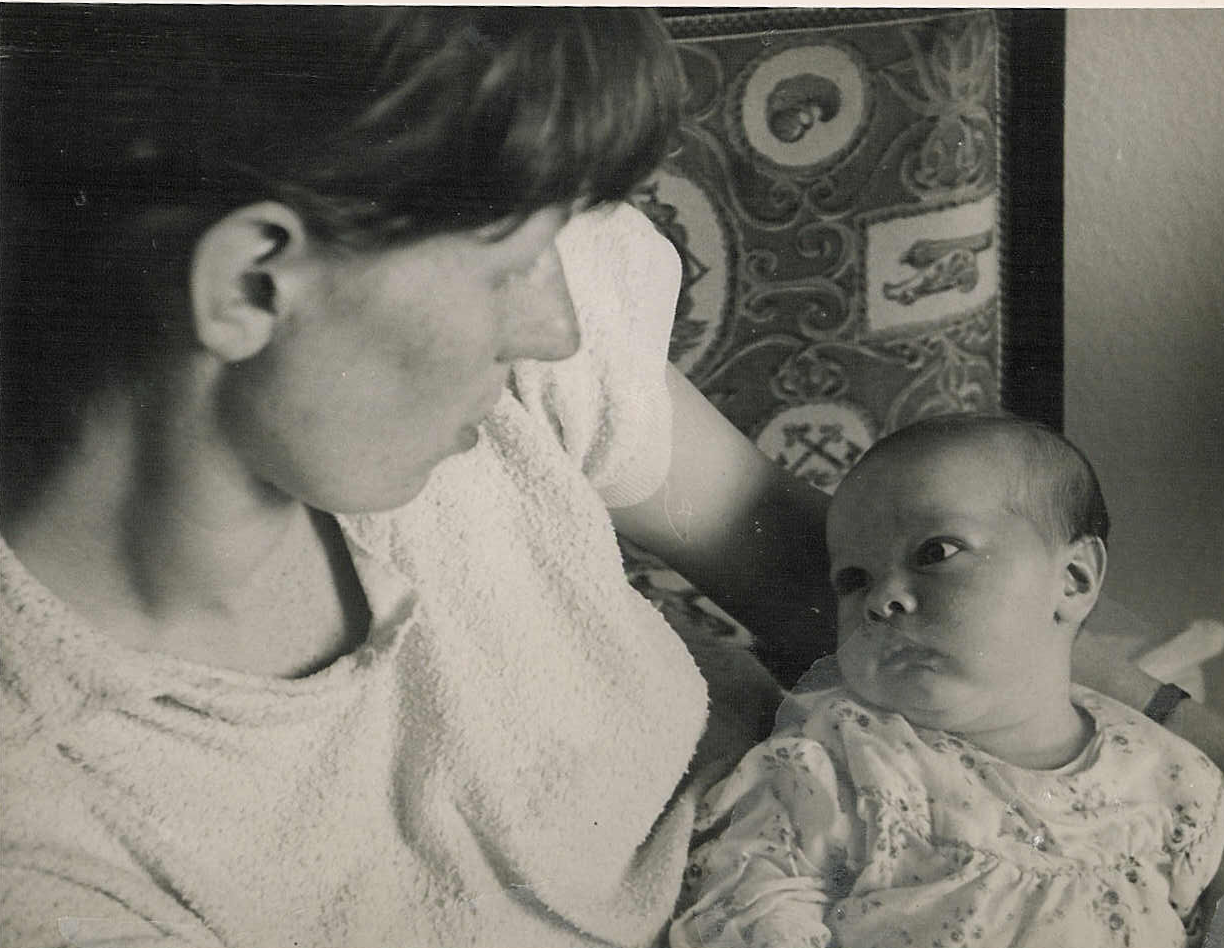
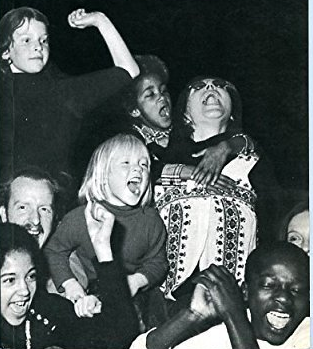
Theatre visits were part of family life too. There were performances to watch, characters to discuss and opportunities to discover how a story changes when people bring it to life. It was an early education in the craft of theatre and the possibilities of participation.
Those experiences helped shape Andy’s later work. They did not mean that Sue and Andy would work in the same way. Over time, Andy would develop his own approaches to Social Theatre, drawing on theatre, groupwork and creative action while following a path distinct from Sue’s dramatherapy practice.
Theatre and imagination
Shakespeare was never far away
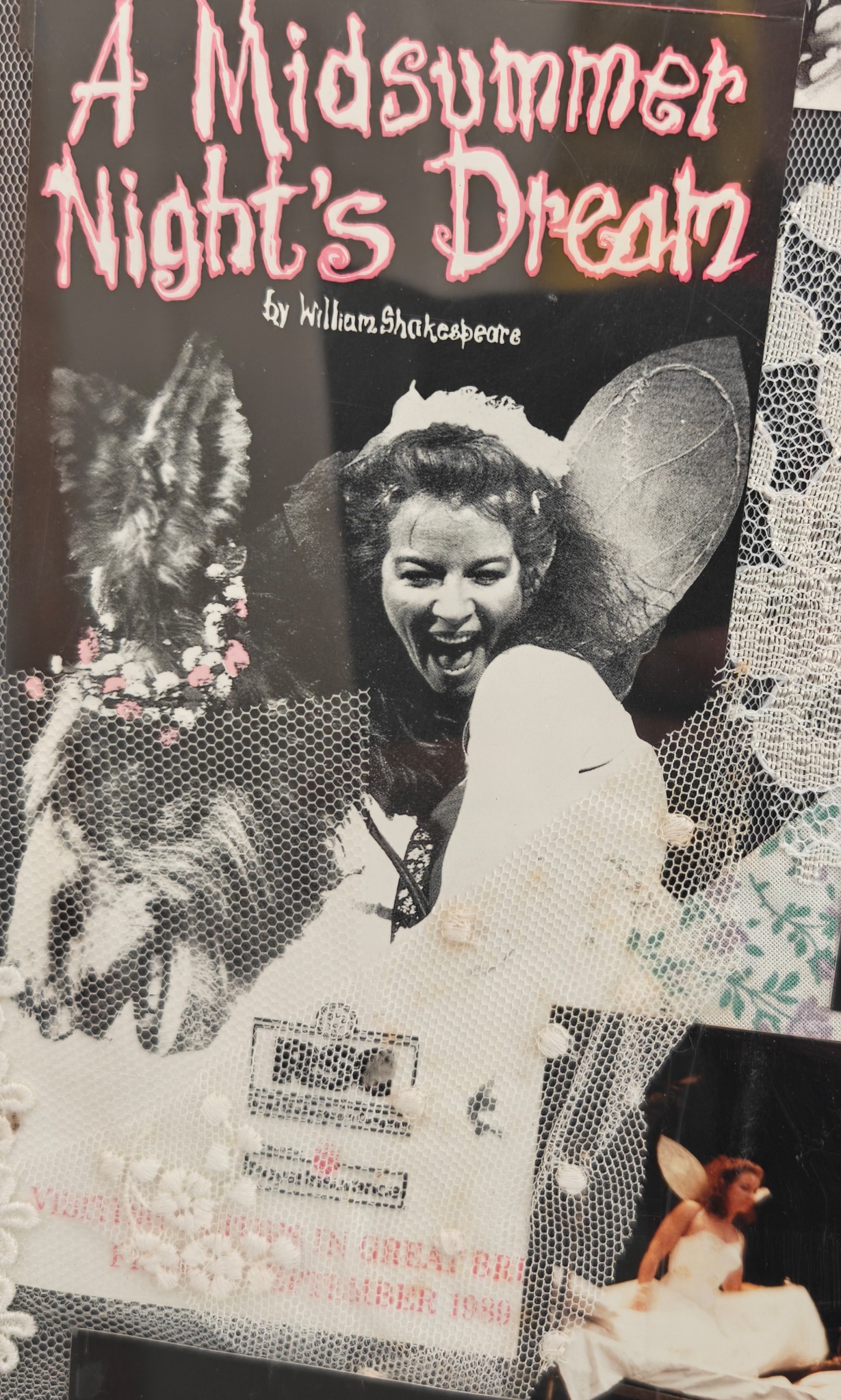
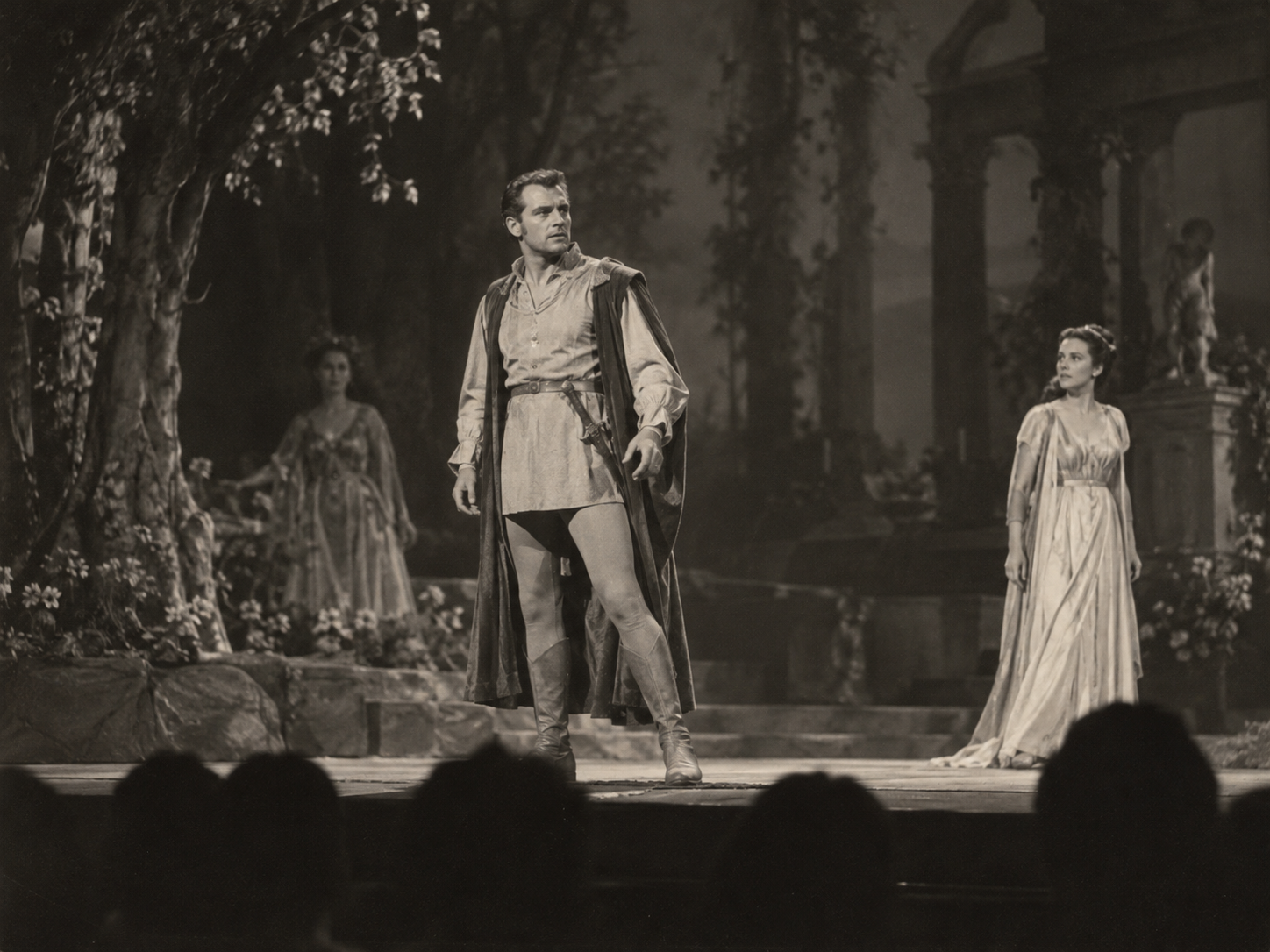
One play returned again and again: A Midsummer Night’s Dream, Sue’s favourite Shakespeare play. Andy remembers repeated visits to productions of it, alongside other performances. Sue sometimes called Shakespeare the first dramatherapist.
The connection was even there in Andy’s name. Sue named him after Harry Andrews, one of her favourite Shakespearean actors. These are personal details, but they show how closely theatre belonged to the family’s everyday world.
Towards the Temiar
Another kind of learning
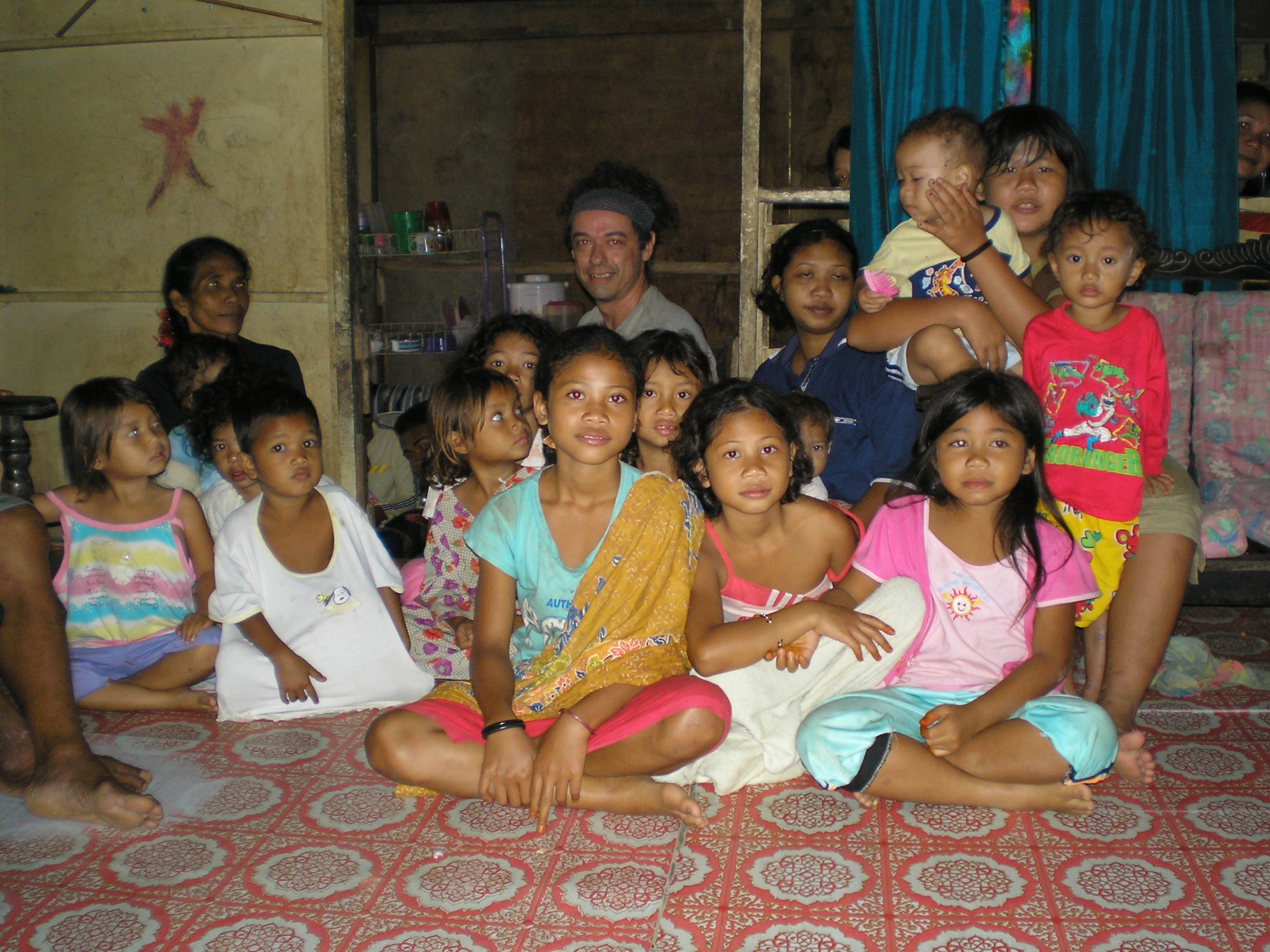
Sue’s work in theatre and remedial drama was already well established when her interests led her towards social anthropology. She undertook doctoral research with the Temiar in the Malaysian rainforest, living there in the early 1970s with her children.
For Andy, the Temiar years became part of growing up, not just a story told later. The experience of living alongside Temiar families brought daily encounters with storytelling, play, performance, relationships and community life. These sat alongside the earlier experiences of drama workshops and theatre at home.
Sue and Andy would carry their experiences forward in different ways, sometimes working together, sometimes independently. The shared history mattered, but their ideas and practices continued to develop on their own terms.
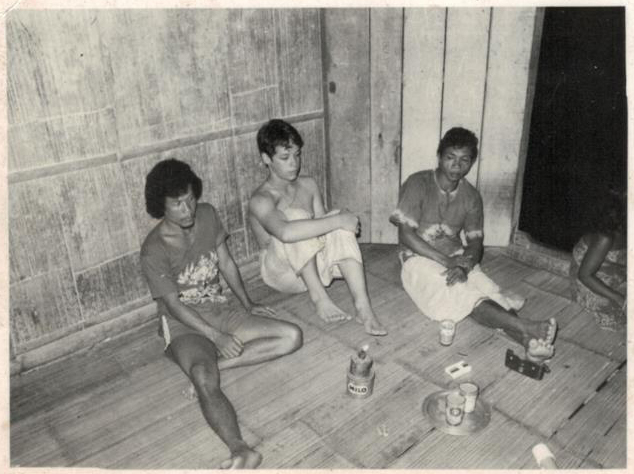
Many years of work, travel, workshops and collaborations came before the decision to put some of it online.
1990 · Theatre beyond the stage
At the London Hospital
In 1990, Sue and Andy worked together as part of a dramatherapy project at the London Hospital fertility clinic. A newspaper feature described doctors and health workers exploring masks, dance and drama, with Andy taking part alongside Sue in both photographs. It is an unusual glimpse of their creative work in a clinical setting.
The newspaper's April Fool's Day anecdote is a reminder that work of this kind could be greeted with surprise or scepticism. Sue reportedly got a similar birth rate to the clinic itself with the use of Dramatherapy alone.
View the complete 1990 newspaper article ↗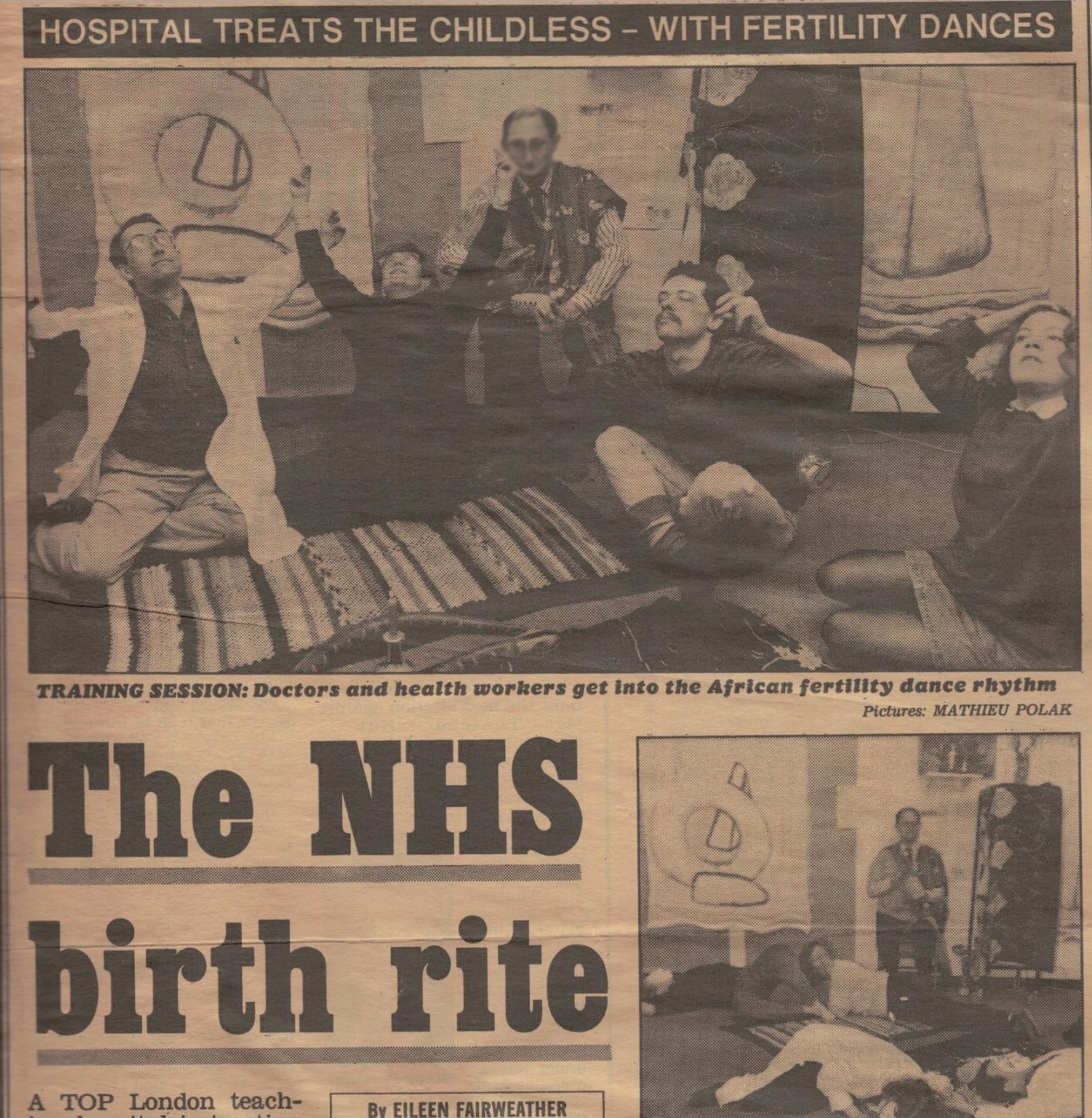
March 1999
A network, not just a website
dramatherapy.net began in March 1999. The .net was deliberate. Sue and Andy wanted a network that could connect dramatherapists, projects, people, ideas and resources, rather than simply a place to advertise their own work.
Andy designed, built and maintained the early site, learning much of the process as he went. The pages that survive now tell a second story: how an active, changing website slowly became an archive.
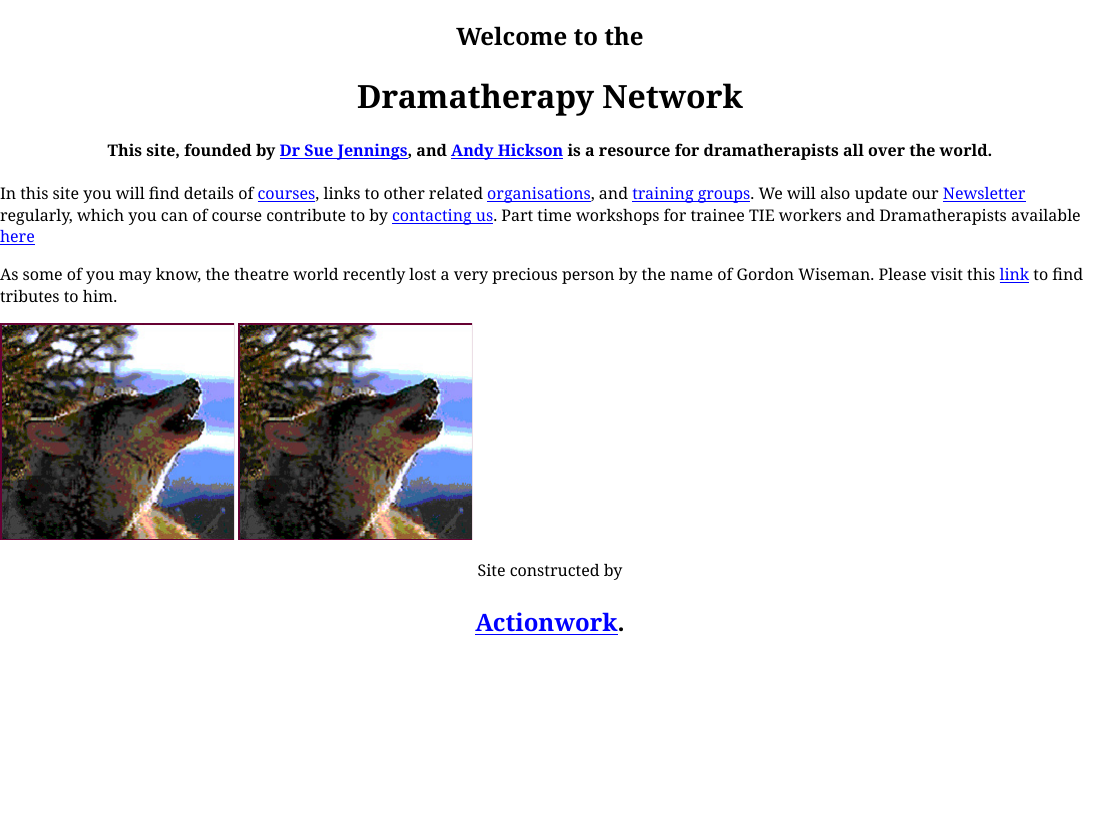
2000 · An early working page
Building as they went
The oldest working page we have found dates from 2000. It announces that it is under construction, while listing Rowan Studio, international workshops, supervision, Theatre Science, Shakespeare, Healing Tree, Sue’s work and Theatre in Education Tours.
Andy was still working essentially full time with TIE Tours, while Actionwork was being used for work he undertook outside it. The page ends with the simple credit: “Site constructed by Andy Hickson.”

2001 · The site fills up
A site full of activity
By 2001 the site carried courses, supervision, international work, publications, performances and Project Wolf together. Rowan Studio gave dramatherapy.net as its website.
The surviving August 2001 update still includes material from October 2000. Rather than clearing out the old each time something new appeared, the website was already growing in layers.
2002 · A place for remembering
Gordon and the growing archive
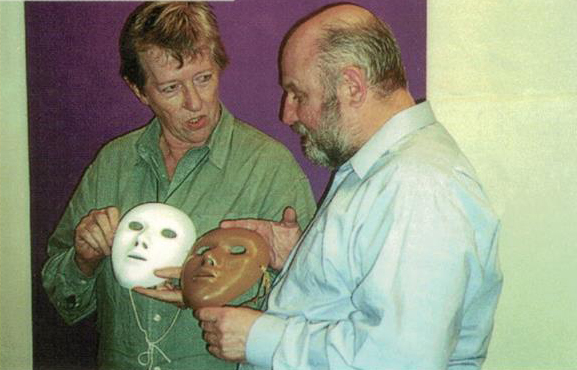
When Gordon Wiseman died in January 2002, Sue and Andy made space on dramatherapy.net for a memorial. Friends, family and colleagues contributed poems, photographs, recollections and tributes. It was becoming somewhere important things could be kept, not simply a source of information.
That collection has now been recovered in Gordon’s memorial. An early photograph of Sue and Gordon working together helps connect the website pages with the real workshops and friendships behind them.
2004 · A changing purpose
Towards a gateway
By 2004 Actionwork had taken over TIE Tours, which had ceased to exist. Creative Care at suejennings.com had become the principal outward home for Sue’s work, and actionwork.com for Actionwork and much of Andy’s work.
dramatherapy.net still described itself as a resource for dramatherapists around the world, but increasingly acted as a gateway to other organisations, projects and training. It changed direction without neatly clearing away its history.
The years that followed
The work kept moving
New projects, workshops, travels and collaborations continued, even when the website itself changed only occasionally. Older pages and photographs remained beside newer ones. Some links stopped working; others led to material that survived in forgotten folders and earlier copies of the site.
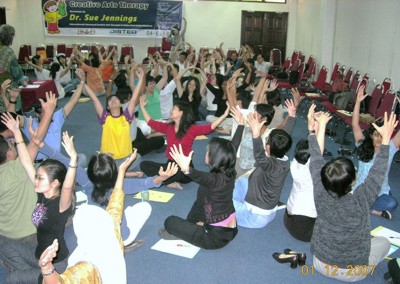
Without anyone quite intending it, dramatherapy.net was becoming an archive: a mixture of surviving pages, missing pieces, photographs, accounts of projects and connections waiting to be rediscovered.
2026 · Recovery
The website becomes an archive object
When work began on rebuilding dramatherapy.net, the old website was not simply discarded. The recovery began with its actual pages and files. Old HTML documents were found, historical photographs identified, and broken links followed back to projects and fragments of earlier sites.
Different copies of the site held different pieces of its history. Some photographs survived without captions. Some old Flash files still held words that could be recovered. Material once made for an ordinary working website had become evidence of how Sue and Andy’s work and collaborations developed.
The new site is an invitation to explore those connections, with room for further material as it comes to light.
The story continues
A living archive, deliberately
What began as a network became a home for projects and resources, then a gateway, and eventually an archive almost by accident. The new dramatherapy.net continues that story more deliberately.
Old pages are being recovered, photographs identified, and connections rediscovered. Some of the material goes back many decades; some is still being created.
The archive is not finished.
It probably never will be.