Archive / Ideas & Methods
Ideas & Methods
Ideas on this site rarely began as abstract theories.
They grew through doing. Through theatre, play, movement, therapy, teaching, groupwork, research, travel, conversation and encounters with other people and cultures. Some developed over decades. Some changed names. Some became methods in their own right. Others crossed between Sue and Andy’s work and developed in different directions.
This is not a dictionary of methods and it is not a complete account of everything Sue and Andy have developed or used. It follows some of the ideas that have travelled through their work and shows how they have changed through practice.
Drama, play and development
Ideas growing through practice
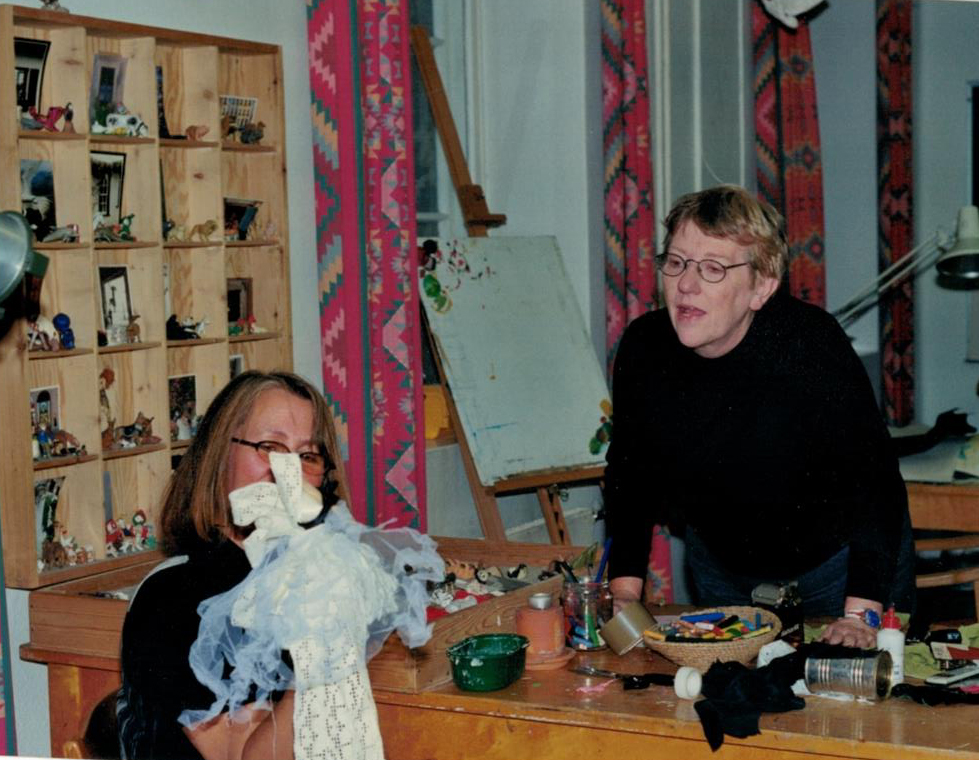
Sue has sometimes been affectionately described as the grandmother of dramatherapy and is recognised as one of its leading pioneers.
Her work has continually brought together drama, play, movement, story, ritual and relationship. Within that work she developed Embodiment, Projection and Role, usually known as EPR, as a way of understanding developmental movement through embodied experience, projected play and dramatic role. Embodiment involves exploring through the body and senses. Projection introduces objects, images and other things that can carry meaning in play. Role brings characters and situations into dramatic action. The framework grew from observing how children's play develops, and it became part of Sue's wider approach to creative practice.
EPR became one of the important foundations from which other parts of Sue’s work developed. The historical Rowan Studio archive places it alongside a wider group of methods concerned with imagination, transformation and creative experience.
For Sue, these ideas were not confined to professional settings. Creative activity was also part of family life. Her children were sometimes involved in dramatherapy and creative sessions, and Andy grew up encountering theatre not only as something performed on a stage, but as something people could do together.
That experience became one of the influences on his later theatre in education and Social Theatre work.
Images, stories and transformation
Ways of making experience visible
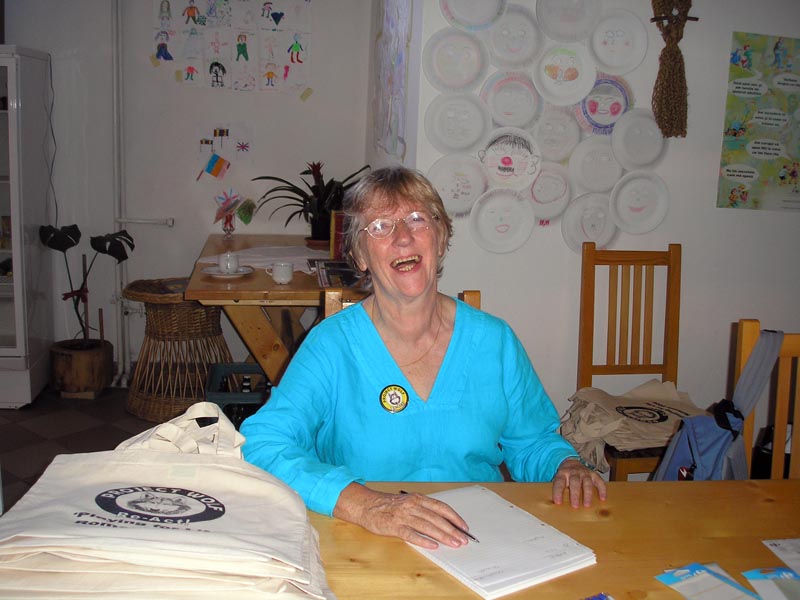
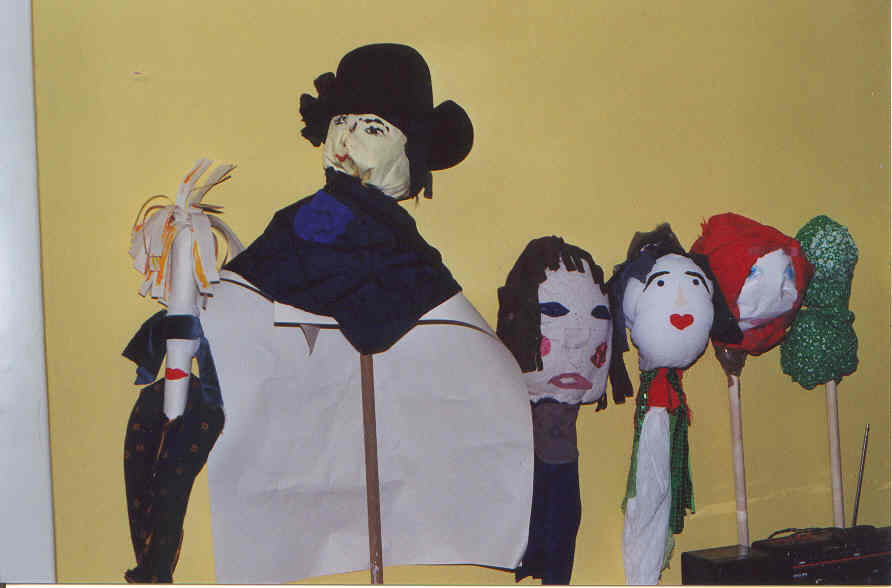
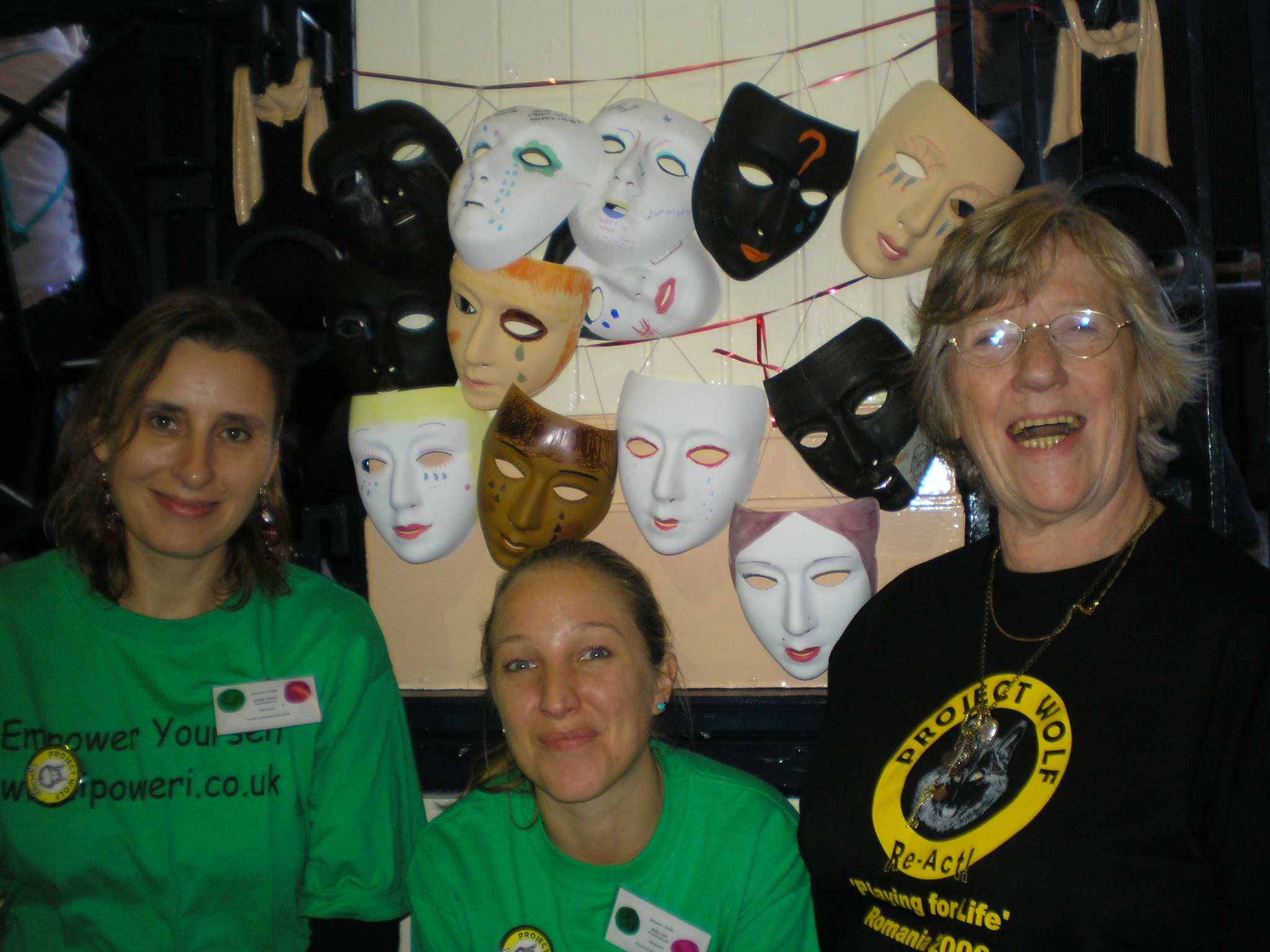
The recovered Rowan archive contains a striking group of methods developed through Sue’s work: Mandala Method, Healing Masks, Re staging, Pearl Fishers, Dreamcatchers and Healing Tree.
These are different methods, not interchangeable exercises. What connects them is a curiosity about what can happen when someone approaches an experience through image, metaphor, story, movement or enactment rather than words alone.
Imagine being invited to make an image rather than having to explain a feeling immediately. A mask might offer a way to explore what is shown and what remains hidden. A story can create enough distance to look at a situation again, while a dramatic role can be entered, changed and left behind. These are illustrations of the creative possibilities, not instructions for any one of the named methods.
The surviving Rowan Studio material gives us names, images and traces of practice, but not complete accounts of every approach. These methods belong to particular periods in Sue’s developing work. The archive preserves that context and leaves room for more to be discovered.
Ritual, play and place
Ideas shaped by where people live
Ritual has also been an important strand in Sue’s thinking.
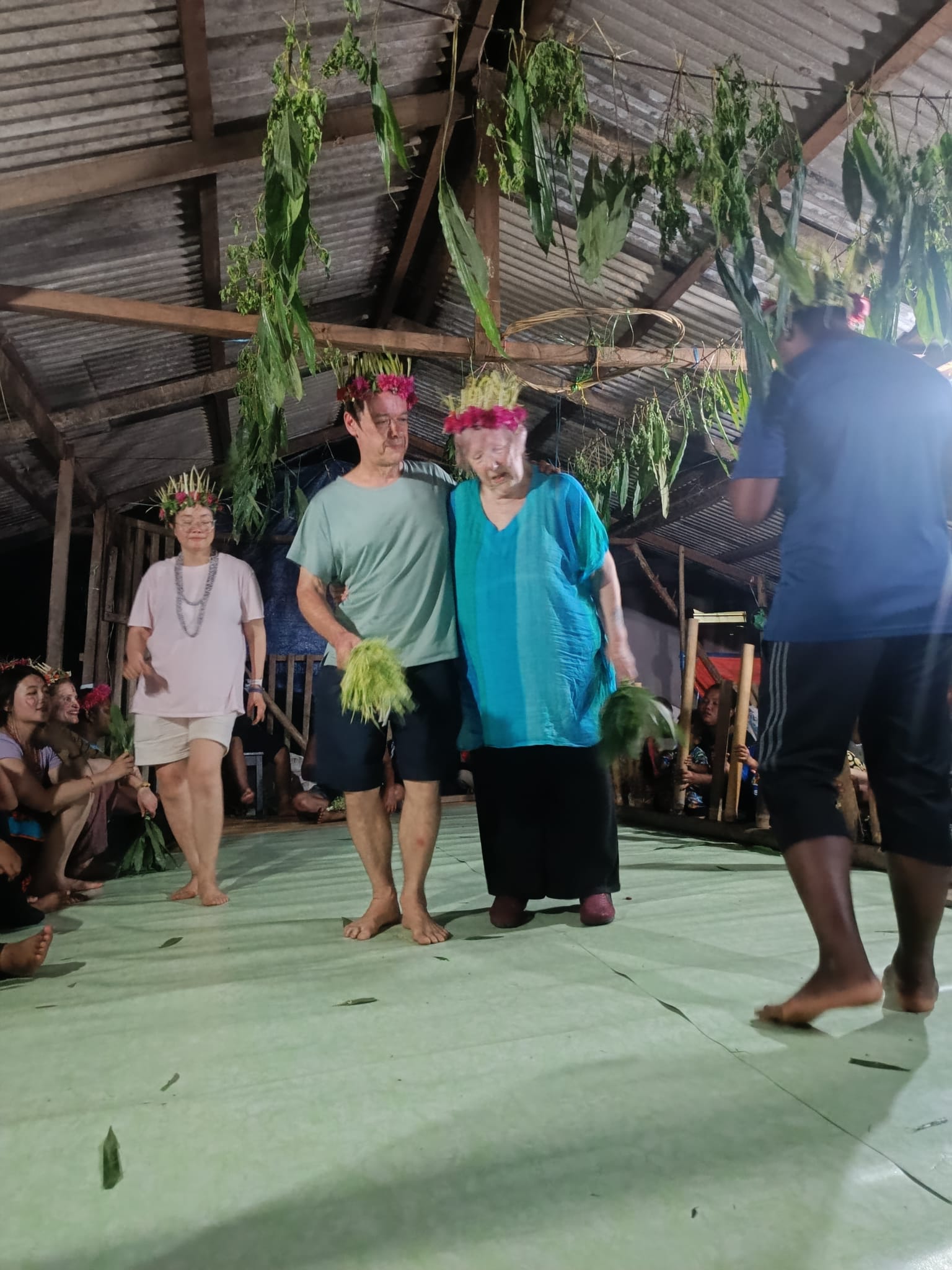
Her work with drama, play and ritual developed alongside her experiences with the Temiar and through later therapeutic and creative practice. The Temiar Archive follows that relationship in much greater depth. Here the connection matters because it reminds us that methods do not develop only from books or professional training.
They can also be shaped by living alongside other people, observing different relationships between play, healing, community and performance, and then reflecting on those experiences over many years. A ritual takes its meaning partly from the people, place and relationships around it. That is one reason the Temiar connection belongs here as part of the thinking behind the practice, not simply as an influence to be listed.
From EPR to Neuro Dramatic Play
An idea develops further
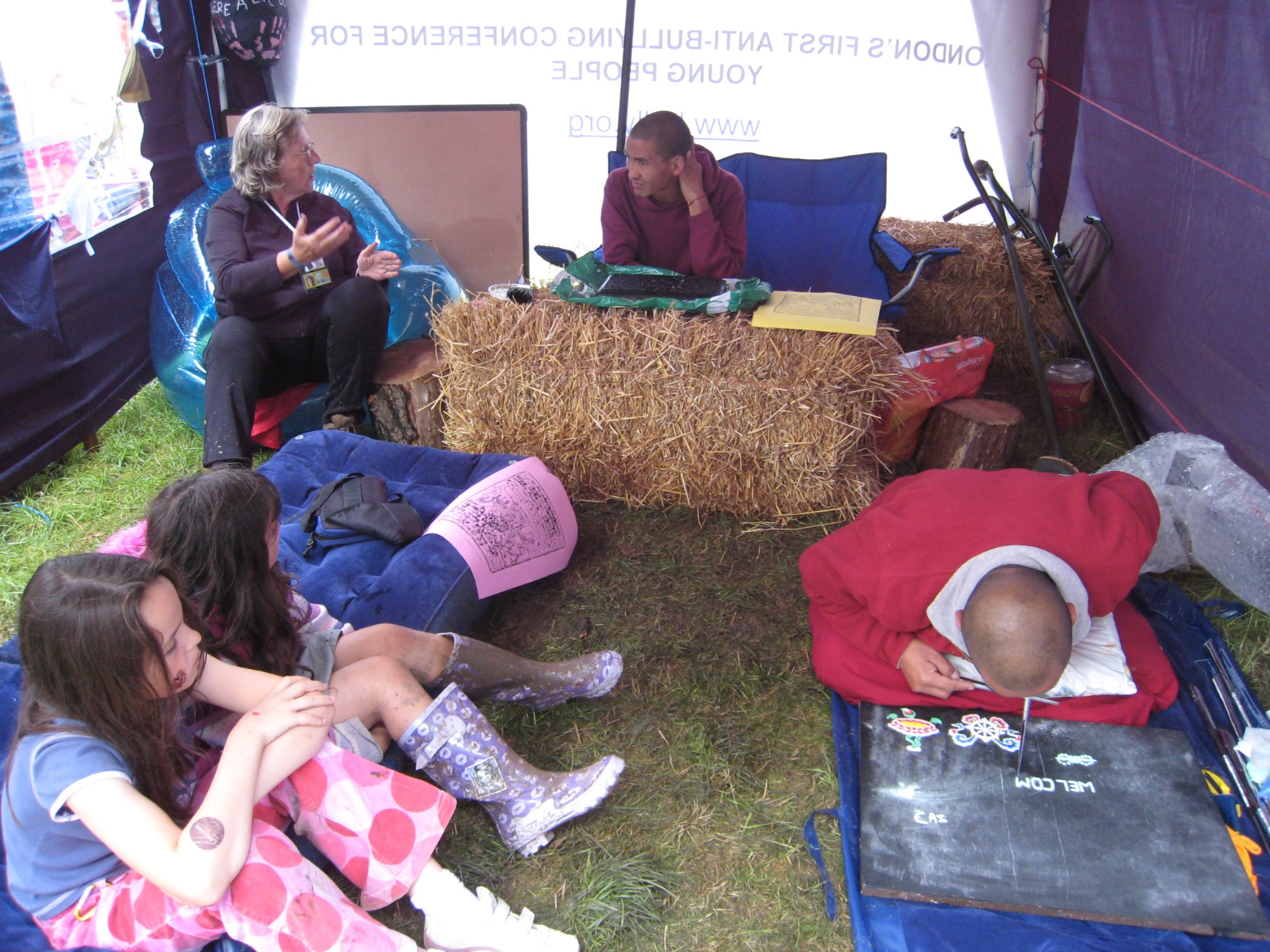
Neuro Dramatic Play grew from Sue’s earlier work with EPR.
Sue developed the approach and coined the term Neuro Dramatic Play, extending her work around embodiment, play, imagination and relationship into a more developed practice.
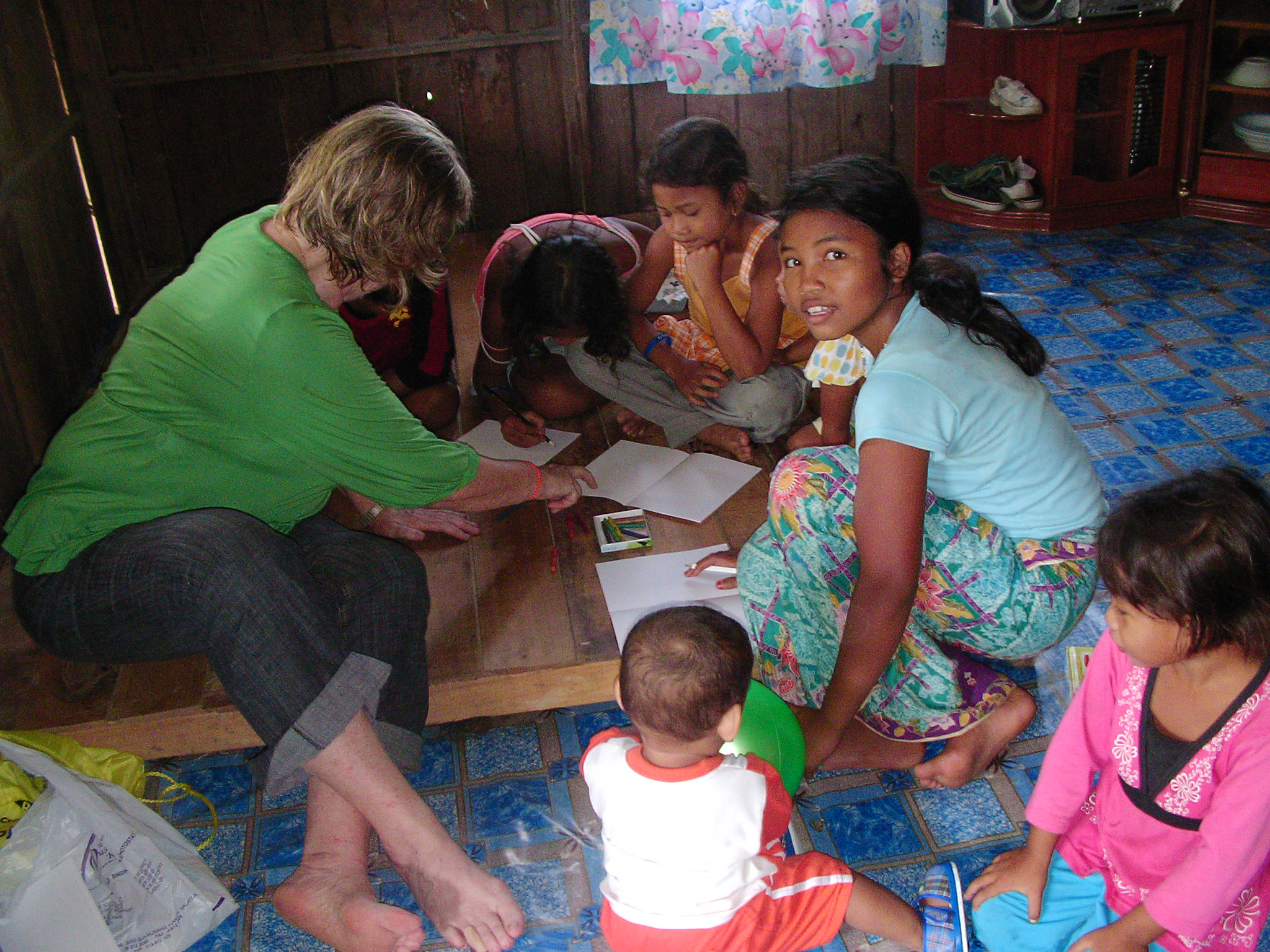
Andy was one of Sue’s first students to train in NDP and later formally became an NDP trainer. His contribution developed through using the approach in different settings, including projects in Romania and the four NDP in the Jungle programmes.
Those later projects allowed the work to encounter different groups, cultures and environments. NDP in the Jungle in particular brought together structured learning, play, creative activity, place and relationship.
The origins remain clear. NDP is Sue’s development from EPR. Its later history also includes Andy as a student, trainer, collaborator and practitioner.
Andy now teaches on Sue’s advanced NDP diploma.
Towards Social Theatre
Theatre as a way of engaging with everyday life
Andy’s development of Social Theatre followed a different path.
Growing up around Sue’s dramatherapy and creative practice had introduced him early to theatre as a social activity. That influence continued into his theatre in education work.
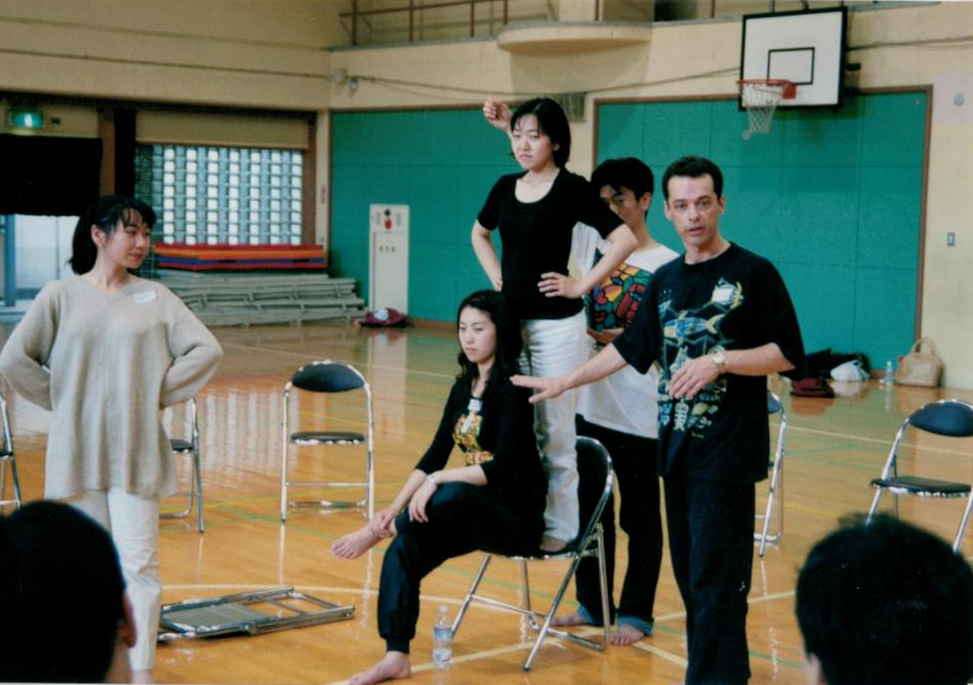
During the 1990s Andy worked twice with Augusto Boal in London and was among the first cohort of students in the UK to work with him. Around the same period, while writing Creative Action Methods in Groupwork, published in 1997, Andy began developing his own ideas about Social Theatre.
The question at its centre was practical: how might the skills of theatre help people deal creatively with the issues and problems they meet in everyday life? In a workshop, that might mean trying different responses to a difficult conversation or exploring what changes when somebody speaks up, listens differently or makes space for another person. People are able to experiment together rather than simply being told what they should do.
Andy has described Social Theatre as a complete creative education system. It provides skills, tools, knowledge, frameworks, language and creative abilities that can help people engage critically, empathetically and positively with the world around them.
Social Theatre brings together theatre practices that can help people communicate more effectively, explore problems, respond to difficulty and make inequality or injustice visible.
It is theatre for change.
The aim is not simply to perform an issue but to create opportunities for reflection, communication, participation and action. Social Theatre seeks approaches that are democratic, equitable, liberating and life enhancing.
It also connects theatre with social work, education, groupwork and community practice.
Social Theatre in education
From workshops to higher education
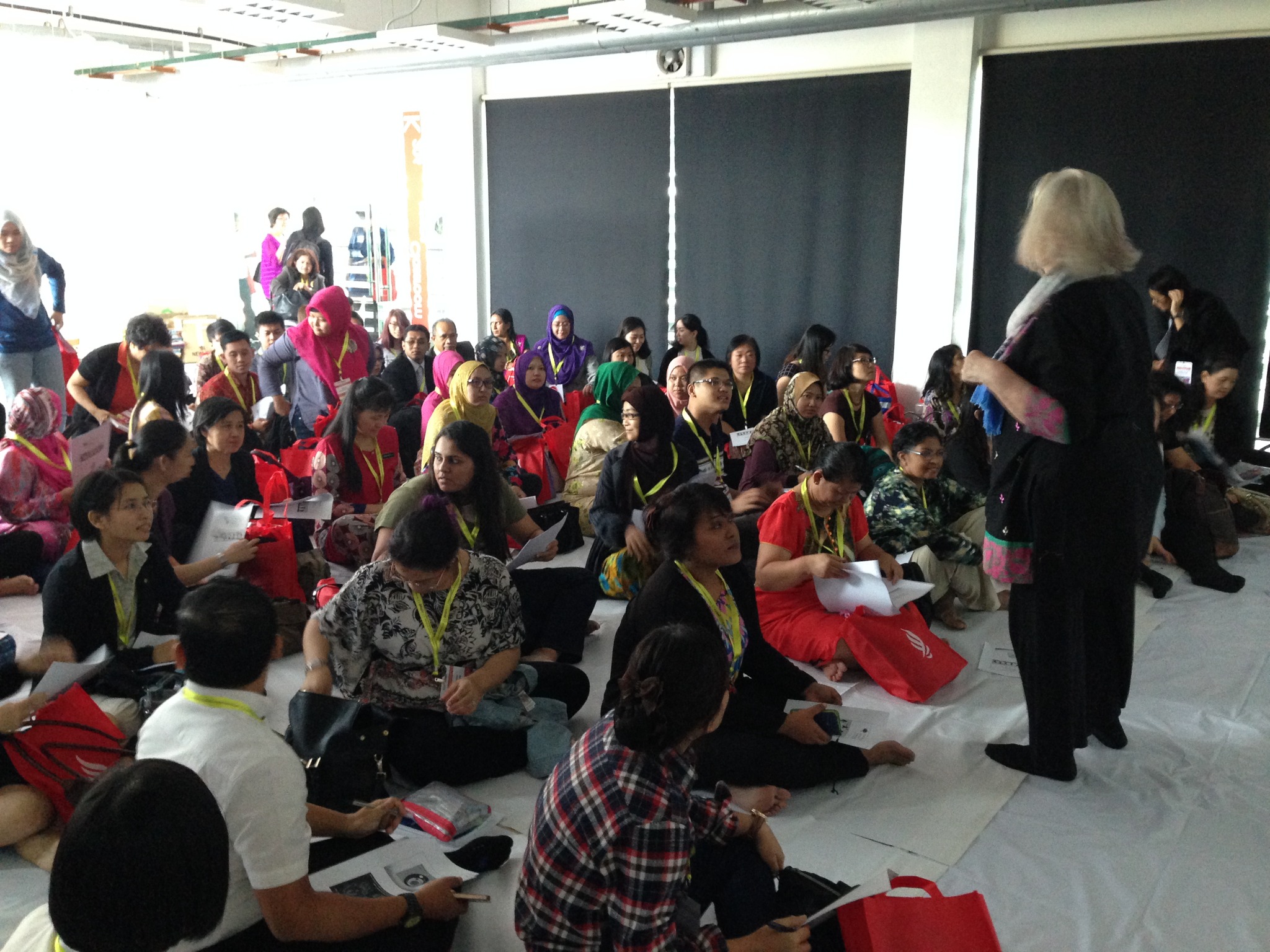
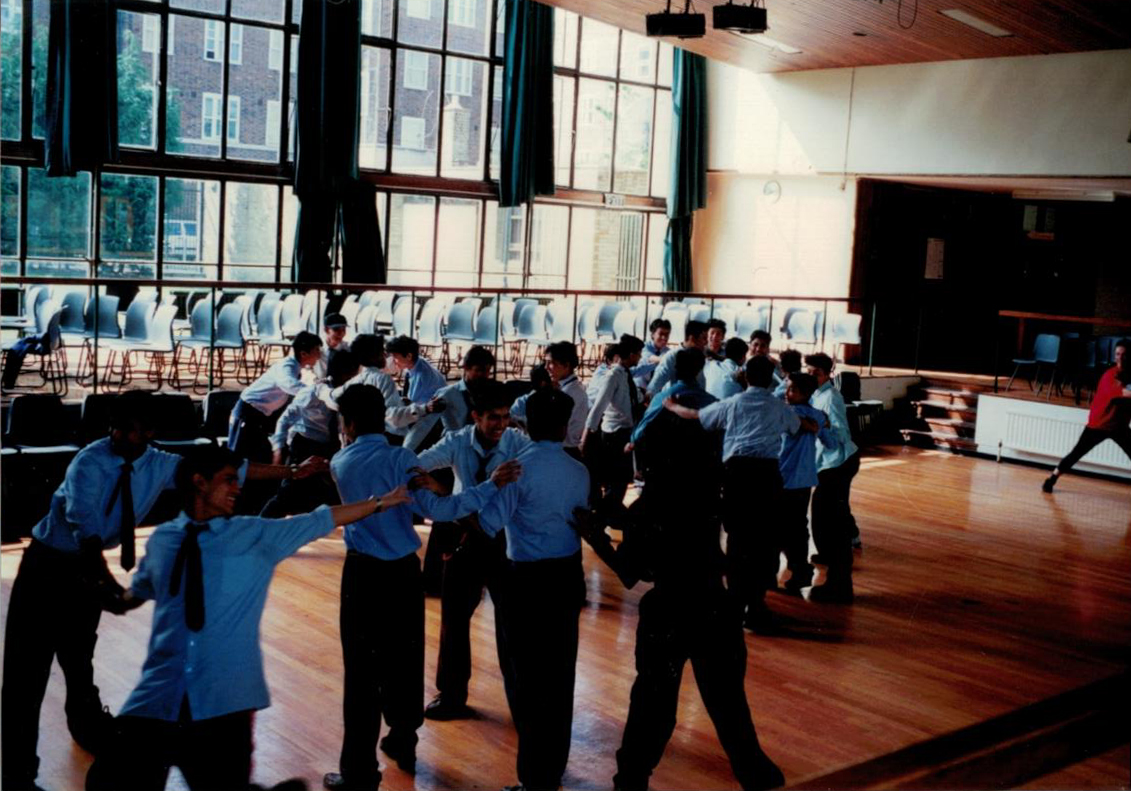
Over time, Social Theatre moved through schools, community projects, training programmes and international work.
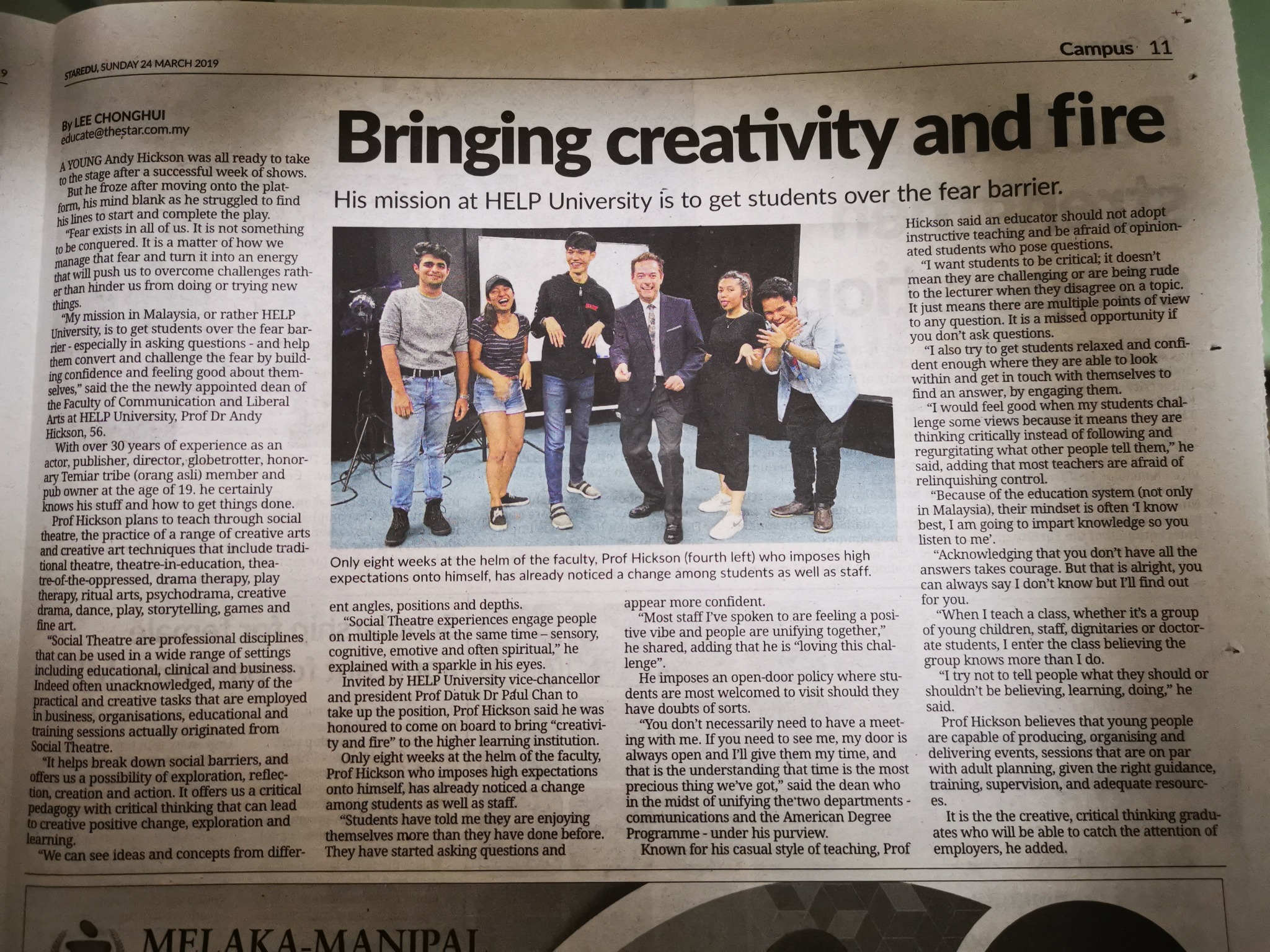
By 2019, Andy was also bringing this approach more explicitly into higher education. A newspaper feature from that year described his work at HELP University under the headline Bringing creativity and fire, connecting Social Theatre with critical thinking, confidence, participation and education.
The movement into academia did not mean leaving practice behind. The underlying idea remained that people learn differently when they are able to participate, question, experiment and act.
Ideas meeting each other
Different origins, shared practice
The later history of these ideas cannot be divided neatly into Sue on one side and Andy on the other.
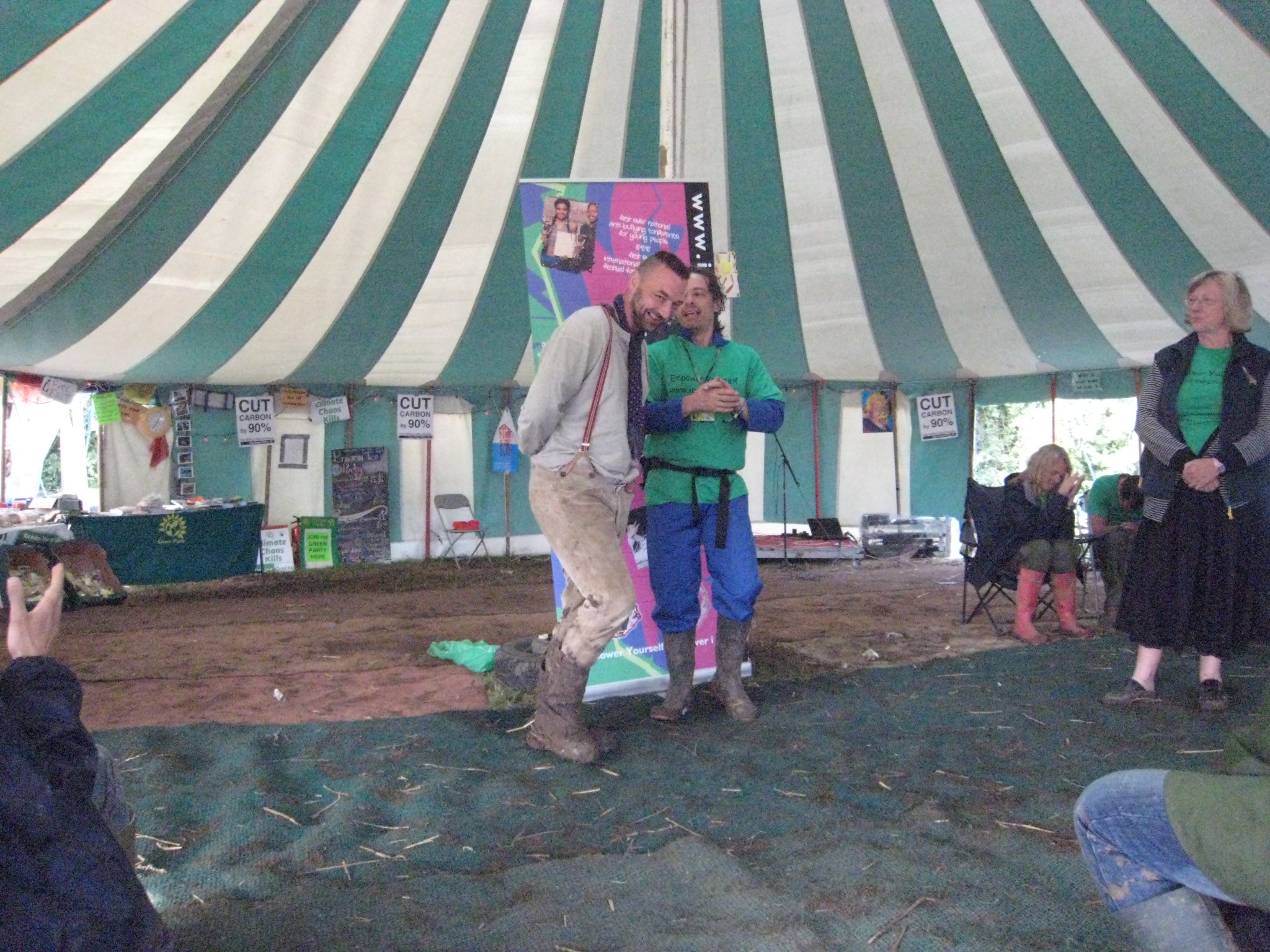
NDP in the Jungle is one example. It began from Sue’s NDP work, but Sue and Andy designed and delivered the programme together. Andy brought his own Social Theatre and facilitation experience into that collaboration, while the setting and relationships with Temiar families shaped the experience in ways that neither method alone could explain.
Other joint projects, including Transform With Action, brought together themes of attachment, creativity, empowerment and non violent approaches to change.
Sometimes one person originated an idea and the other later helped it travel into new settings. At other times, their different practices offered ways into the same problem, and working together changed what happened next. The collaborations matter precisely because Sue and Andy did not always begin from the same place.
Still developing
Methods are not museum pieces
Methods can look fixed once they acquire names.
The archive suggests a bit more messy play.
Ideas were tried, adapted, taught, challenged and combined with other ideas. Some became books or formal methods. Others survived through workshops, photographs, notes, stories and the memories of people who took part.
EPR led towards Neuro Dramatic Play. Theatre in education, action methods, Boal’s influence and Andy’s own groupwork contributed to the development of Social Theatre. Ritual, play, anthropology, theatre and therapeutic practice continued to cross between different parts of the work.
The archive preserves where some of these ideas came from. Their story is not finished.